Leased Ad Space
What Side Hustles Require Little to No Startup Cost? The True-Cost Answer
Published by Barry McKinney — 10-29-2026 03:10:05 PM
The side hustles with genuinely little or no startup cost are selling unused items, local services, freelancing, tutoring, transcription, virtual assistance, content creation, digital products, affiliate marketing, and pet sitting — and the ones that stay cheap are those with no inventory, no equipment, and no paid tools. But "startup cost" is a misleading phrase. The number that matters is not the entry fee — it is what you spend in the first 90 days before earning anything back. A side hustle advertised as "free to join" can cost $200 in tools and subscriptions before the first dollar arrives. This article ranks ten side hustles by their true first-90-day outlay, including the costs most people never count.
Key Takeaways
- Startup cost is not the entry fee — it is total spend before the first income.
- Four cost layers matter: entry, ongoing, hidden, and opportunity.
- Selling items and local services genuinely cost $0.
- Affiliate marketing costs $0–$15 and has no ongoing requirement.
- Most "free" side hustles become expensive because of tools bought before earning.

Why "Startup Cost" Is a Misleading Phrase
Almost every side hustle is advertised as free or cheap to start. That is technically true in the narrowest sense — you can usually sign up for free. But signing up is not the same as operating, and operating is not the same as earning.
The number that actually matters is: how much money leaves your account before money comes back in? That figure determines whether a side hustle is genuinely low-cost or quietly expensive.
The Four Cost Layers
| Cost Layer | What It Includes | How Often It Is Hidden |
|---|---|---|
| Entry cost | Joining fee, account setup, registration | Rarely — usually advertised |
| Ongoing cost | Monthly subscriptions, fees, materials | Often — buried in terms |
| Hidden cost | Tools bought before earning, courses, equipment | Almost always |
| Opportunity cost | Value of the hours invested before income | Never counted |
Read the third row. That is where most "free" side hustles become expensive. Someone joins a free affiliate program, then buys a $97 course, a $29/month email tool, a $15/month design tool, and a $200 training bundle — all before earning a single commission. The side hustle was free; the participation was not.
Read the fourth row too. Opportunity cost is never counted, but it is usually the largest cost of all. Two hundred hours invested at even $15 per hour of value is $3,000 of time — vastly more than any tool subscription.
The Correct Question
Instead of asking "what does it cost to start?" ask:
- What is the total outlay before the first payment?
- Is there a monthly requirement?
- What will I be tempted to buy before earning?
- How many hours before income?
Those four questions separate genuinely low-cost side hustles from ones that only appear cheap.
The 10 Lowest-Cost Side Hustles, Ranked by True First-90-Day Outlay
Here is the honest ranking. Each side hustle is assessed on entry cost, ongoing cost, realistic hidden cost, and total first-90-day outlay.
| Side Hustle | Entry | Ongoing (90 days) | Hidden (realistic) | 90-Day Total |
|---|---|---|---|---|
| Selling unused items | $0 | $0 | $0 | $0 |
| Local services | $0 | $0–$50 | $0–$100 | $0–$150 |
| Affiliate marketing | $0–$15 | $0 | $0–$100 | $0–$115 |
| Freelancing | $0 | $0–$30 | $0–$100 | $0–$130 |
| Tutoring | $0 | $0–$30 | $0–$50 | $0–$80 |
| Transcription | $0 | $0–$20 | $0–$40 | $0–$60 |
| Virtual assistant | $0 | $0–$30 | $0–$80 | $0–$110 |
| Pet sitting | $0 | $0–$50 | $0 | $0–$50 |
| Content creation | $0 | $0–$30 | $0–$200 | $0–$230 |
| Digital products | $0 | $0–$60 | $0–$200 | $0–$260 |
These are realistic ranges, not minimums. The hidden-cost column is where the differences appear — content creation and digital products tend to cost more because they tempt people into buying design tools, hosting, and courses before earning.
1. Selling Unused Items — Genuinely $0
The only side hustle on this list with a true $0 cost. You sell what you already own. There is no entry fee, no ongoing cost, and no tool required beyond a phone with a camera.
What It Actually Costs
| Cost | Amount |
|---|---|
| Platform fees | Usually $0 for local sales; 10–15% on some platforms |
| Packaging | $0–$10 if shipping |
| Time | 1–3 hours per item |
The catch: it is not repeatable. You run out of items. It is a cash injection, not a side hustle that continues.
2. Local Services — Almost Free
Cleaning, garden work, furniture assembly, moving help, and handyman tasks cost nothing to start if you already own basic equipment. Demand is constant and payment is immediate.
What It Actually Costs
- Basic supplies — $0–$50 if you do not already own them.
- Transport — fuel to reach jobs.
- Time — the real cost, and it is entirely hour-bound.
The catch: income is capped by your available hours. It costs almost nothing to start, but it does not scale without hiring.
3. Affiliate Marketing — $0–$15 and No Ongoing Cost
Affiliate marketing is the best combination of low cost and high ceiling on this list. The entry is $0–$15, there is no monthly requirement, and — critically — no inventory or equipment.
What It Actually Costs
| Item | Cost | Required? |
|---|---|---|
| Program entry | $0–$15 | Yes |
| Link-in-bio page | $0 | Yes — free tier |
| Email tool | $0 | Yes — free tier |
| Design tool | $0 | No — free tier |
| Website | $0 | No — optional |
| Courses | $0 | No — never required to start |
Read the last two rows. Those are the two expenses that make affiliate marketing appear expensive. Neither is required, and both should be avoided until the first commission arrives.
The catch: it takes 2–8 weeks for the first commission and 3–6 months for meaningful income. The financial cost is near zero; the time cost is real.
4. Freelancing — Free If You Have the Skill
Freelancing costs nothing to start if you already have a marketable skill. You sell what you can already do, using tools you already own.
What It Actually Costs
- Platform fees — some freelance platforms charge 10–20% of earnings, not a startup fee.
- Software — $0–$30 per month if you need specific tools.
- Portfolio building — free if you use existing work.
The catch: it requires an existing skill. If you need to learn one first, the cost is time rather than money.
5. Tutoring — Free to Start, Fast to Income
Tutoring requires only subject knowledge and a video platform. Both are free. Clients can be found within weeks.
What It Actually Costs
- Video platform — $0 on free tiers.
- Materials — $0–$30 for resources.
- Platform listings — some tutoring platforms charge a commission, not a fee.
The catch: it requires scheduled appointments, which may not fit every schedule.
6. Transcription — Free, Low Pay
Transcription requires only a computer and headphones. Most platforms are free to join and pay per audio hour.
What It Actually Costs
- Headphones — $0–$40 if you do not own a pair.
- Software — free options exist.
- Platform fees — usually none; some take a commission.
The catch: the effective hourly rate is low — often $10–$20 per hour of actual work.
7. Virtual Assistance — Free to Start
VA work requires only communication skills and reliability. No equipment beyond a computer, no fees to join most platforms.
What It Actually Costs
- Tools — $0–$30 per month if clients require specific software.
- Platform fees — commission-based, not upfront.
The catch: some roles require availability during business hours, which may conflict with other commitments.
8. Pet Sitting — Free If You Already Like Animals
Pet sitting and dog walking require no investment beyond availability. Most platforms are free to join and take a commission on completed bookings.
What It Actually Costs
- Platform fees — commission on bookings, no upfront cost.
- Transport — fuel to reach homes.
The catch: it is local and hour-bound, and income is limited by the number of bookings you can physically attend.
9. Content Creation — Free to Start, Expensive in Temptation
Publishing on social platforms or a blog costs nothing. But this is the category where people most often spend money before earning.
What It Actually Costs
| Item | Cost | Actually Required? |
|---|---|---|
| Phone or laptop | $0 | You already own one |
| Free editor | $0 | Yes — free tier |
| Hosting or domain | $0–$100/yr | No — social platforms are free |
| Camera or microphone | $0–$300 | No — phone is sufficient |
| Editing software | $0–$30/mo | No — free editors work |
The catch: the temptation to buy equipment is enormous, and the timeline is the longest of any option — 6–12 months before meaningful income.
10. Digital Products — Free to Create, Expensive in Tools
Creating a template or guide costs nothing using free tools. But digital products have the highest realistic hidden cost on this list, because design software and platform fees add up.
What It Actually Costs
- Design tool — $0 on free tiers; $10–$30/month for premium.
- Sales platform — $0–$60/month depending on the platform.
- Marketing — often the largest cost, and easily $100+ before the first sale.
The catch: without an audience, digital products do not sell. The cost is not creation — it is distribution.
The Hidden Costs Nobody Warns You About
Here are the specific purchases that turn a free side hustle into an expensive one. Every one of them is avoidable.
The Five Most Common Hidden Costs
| Purchase | Typical Cost | Necessary Before First Income? |
|---|---|---|
| Course or training bundle | $97–$2,000 | No |
| Paid email platform | $20–$100/month | No — free tiers work |
| Website and domain | $50–$300/year | No — free page is enough |
| Logo and branding | $50–$500 | No — never required early |
| Paid traffic | $100–$1,000+ | No — only after a funnel converts |
Read the third column. Not one of those purchases is required before earning your first income. Yet most beginners buy at least two of them in the first month — which is why their "free" side hustle costs $200 before it earns $20.
The Rule That Prevents Hidden Costs
Do not buy anything until the free version is actively limiting your income.
Not "until it feels limiting." Not "until a course says you need it." Until you can point to a specific number — subscribers above 500, content above 50 pieces, a funnel that already converts — that the free version cannot handle.
Following that rule, most people spend nothing for the first three months and still earn their first commission during that period.
The Opportunity Cost Question
This is the cost that matters most and appears in no spreadsheet: the value of your time.
The Calculation
Every low-cost side hustle requires hours before income. That investment has a value even if no money changes hands.
| Side Hustle | Hours Before First Income | Value at $15/hour |
|---|---|---|
| Selling items | 2–5 | $30–$75 |
| Local services | 5–10 | $75–$150 |
| Freelancing | 20–40 | $300–$600 |
| Affiliate marketing | 40–80 | $600–$1,200 |
| Content creation | 100–200 | $1,500–$3,000 |
Read the last row. Content creation has a near-zero financial cost but the highest time cost of any option — $1,500–$3,000 of time value before meaningful income. That does not make it a bad choice; it makes the cost visible.
Read the fourth row. Affiliate marketing requires 40–80 hours before the first commission, which is genuinely significant. That is why the honest framing matters: it is cheap in money and expensive in time.
The 3 Programs That Cost Under $15 and Stay Cheap
If affiliate marketing is the choice, the program determines whether the cost stays low. These three have low or zero entry and no monthly requirement.
1. GreatLife Worldwide — $14.95, No Ongoing Cost
GreatLife Worldwide is the lowest-cost entry of the three, and it produces the fastest first commission — which means the entry cost is recovered almost immediately.
- $20 fast-start commission per referred affiliate member
- 50% matching bonus on qualifying matrix commissions
- Product commissions on qualifying orders
- Matrix commissions across multiple levels
- Diamond revenue pool and International Diamond pool (subject to qualification)
- Leadership bonuses and retail sales commissions
- Payouts advertised up to three times per week
One referral returns $20 on a $14.95 investment. There is no monthly requirement. Disclosure: the structure includes a matrix plan with matching bonuses, which places it closer to hybrid network marketing than pure single-tier affiliate marketing — that should be understood before joining.
Join GreatLife Worldwide and start earning $20 fast-start commissions today
2. ListElevate — Includes the Tools You Would Otherwise Buy
ListElevate is the strongest low-cost option in practice, because it includes the email marketing software that most affiliates pay $20–$100 per month for. That inclusion removes the single largest recurring cost.
- 200% commissions on every direct referral
- 25% residual commissions for life on everything your referrals buy
- 25% matching check on your referrals' income — if a referral earns $10,000, you receive $2,500
- No cap on referrals or income
- Email marketing software included — 99% inbox deliverability, 600,000 emails per hour
- $500 Email Marketing Mastery bonus included free
- 30-day money-back guarantee
Read the fifth row. That is the entire reason ListElevate is genuinely low-cost rather than just cheap to join. Most beginners spend $60–$300 on email software in their first three months. ListElevate removes that cost entirely.
Start building your list with ListElevate today — 200% commissions + $500 bonus
3. GotBackup — Low Cost, Recurring Return
GotBackup is low-cost to join and produces recurring income from the first month — which means the cost recovers itself and then keeps paying.
- 200% of the first month's subscription paid immediately
- 25% recurring on every month the customer stays active
- Team component — earn on your referrals' referrals
Cloud backup is a product with genuine external demand. Nobody cancels a service that protects their photos and documents, which means a small initial cost produces income month after month.
Protect your data and earn recurring income with GotBackup
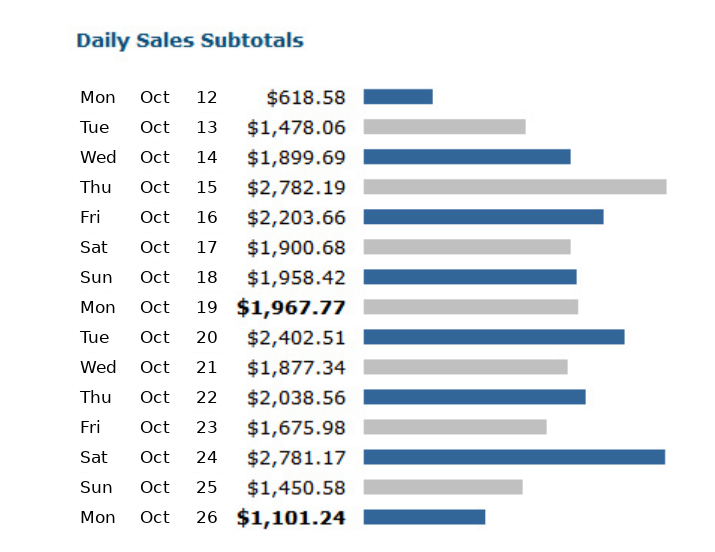
Real income proof from people who started side hustles with under $15 — individual results vary by effort, consistency, and market conditions.
The $0 Starter Stack
Here is the complete list of what you actually need to start a low-cost side hustle. Every item is free.
| Component | Cost | Notes |
|---|---|---|
| Laptop or phone | $0 | Use what you already own |
| Internet connection | $0 | Existing home connection |
| Free social platform | $0 | Traffic source |
| Free link-in-bio page | $0 | Where your link lives |
| Free email tier | $0 | Covers 500–1,000 subscribers |
| Free design tool | $0 | Lead magnets and graphics |
| Free spreadsheet | $0 | Track clicks and referrals |
| Total | $0 | A working setup |
That is the entire stack. No purchases, no subscriptions, no courses. The only optional addition is a program entry fee of $0–$15, which is recovered on the first commission.
The 5 Mistakes That Make a Free Side Hustle Expensive
- Buying a course before the first commission. Courses are useful after you have context. Before that, they replace action with consumption.
- Buying a website in week one. A free link-in-bio page works identically at the start. The domain can wait until income justifies it.
- Paying for email before reaching the free limit. Free tiers cover 500–1,000 subscribers — months of growth.
- Buying paid traffic before the funnel converts. The fastest way to lose money in any online side hustle.
- Buying branding and logos. Nobody has ever bought from a side hustle because of a logo.
Avoid all five and your total start-up cost stays under $20 indefinitely — regardless of which side hustle you choose.
Frequently Asked Questions
What side hustles require little to no startup cost?
The lowest-cost side hustles are selling unused items ($0), local services ($0–$150), affiliate marketing ($0–$115 for the first 90 days), tutoring ($0–$80), transcription ($0–$60), and pet sitting ($0–$50). All of them avoid the two biggest costs: inventory and equipment.
What does "startup cost" actually include?
True startup cost includes four layers: the entry fee, ongoing costs like monthly subscriptions, hidden costs like tools and courses bought before earning, and the opportunity cost of the hours invested. Most "free" side hustles become expensive through the third layer.
Is affiliate marketing really free to start?
Yes — entry ranges from $0 to $15, and there is no monthly requirement, no inventory, and no equipment. ListElevate also includes email marketing software that most beginners would otherwise pay $20–$100 per month for, which removes the largest recurring cost.
What is the cheapest side hustle that actually makes money?
Selling unused items is the cheapest and fastest ($0, cash within 48 hours), but it is not repeatable. Affiliate marketing is the cheapest repeatable option — $0–$15 to start with no ongoing cost, though it takes 2–8 weeks for the first commission.
How much should I spend before earning my first dollar?
Ideally under $20. The only justifiable spend before the first commission is a low-cost program entry fee. Courses, website hosting, paid email, design software, and branding can all wait until income justifies them.
Do I need to buy tools to start a side hustle?
No. Free tiers of email platforms, design tools, and link-in-bio pages are sufficient for the first three months. Upgrade only when a specific number — subscribers, content volume, or traffic — makes the free tier genuinely limiting.
What is the hidden cost of a "free" side hustle?
The most common hidden costs are a course or training bundle ($97–$2,000), a paid email platform ($20–$100/month), a website and domain ($50–$300/year), and paid traffic ($100+). None of them is required before earning, but most beginners buy at least two in the first month.
Conclusion — What Side Hustles Require Little to No Startup Cost?
So, what side hustles require little to no startup cost? Selling unused items ($0), local services ($0–$150), affiliate marketing ($0–$115), tutoring ($0–$80), transcription ($0–$60), virtual assistance ($0–$110), pet sitting ($0–$50), content creation ($0–$230), digital products ($0–$260), and freelancing ($0–$130).
But the honest answer is more useful than the list. Startup cost is not the entry fee — it is the total outlay before your first payment, including the tools you buy, the subscriptions you start, and the courses you take because someone said you needed them. Most "free" side hustles become expensive in that third layer.
The rule that keeps any side hustle cheap: buy nothing until the free version is actively limiting your income. Following that rule, most people spend under $20 for the first three months and still earn their first commission during that period.
The three programs that stay genuinely low-cost are GreatLife Worldwide ($14.95 entry, $20 per referral, no monthly fee), ListElevate (200% commissions with email software included — removing the largest recurring cost), and GotBackup (25% recurring income on a product everyone needs).
And the cost that no spreadsheet captures is the one that matters most: your time. Every low-cost side hustle is cheap in money and expensive in hours. Start with the free stack, spend under $20, and judge the result at month three rather than week two.
Earnings Disclaimer
Results are not guaranteed. The income examples, cost estimates, and timelines shown in this article are illustrative estimates drawn from individual experiences and public program information — they are not promises of future earnings. Costs vary by country, platform, and individual choices. Your results will depend entirely on your own effort, skills, available time, market conditions, and the program you choose. No income claims are made or implied. Affiliate marketing requires real work, patience, and consistency — treat any program as a business, not a lottery ticket.
Affiliate Disclaimer
This article contains affiliate links. If you purchase a product through one of these links, the author may earn a commission at no additional cost to you. These commissions help support the creation of free content like this article. The presence of affiliate links does not influence the recommendations made here — the compensation structures of each program mentioned have been described as accurately as possible, including their matching, team, and matrix components, so readers can make an informed decision.
About Barry McKinney

Hi, my name is Barry. I have over 25 years of experience in affiliate marketing and a strong interest in network marketing and MLM. I quit my job 25 years ago and built a business that now generates a consistent five-figure monthly passive income – all from the comfort of my own home. I’m passionate about online business, financial freedom, and helping others discover the opportunities that network marketing can offer.