Leased Ad Space
How to Make Money From Home When You Have No Skills
Published by Oliver Zander — 06-29-2026 03:06:38 AM
You can make money from home even if you have no formal skills, degree, or experience. I have seen people start with simple online tasks, entry-level remote jobs, and beginner-friendly side hustles that require only internet access and basic effort. You can start earning from home by completing simple online tasks, taking on entry-level remote work, or using beginner platforms that provide training and step-by-step systems.
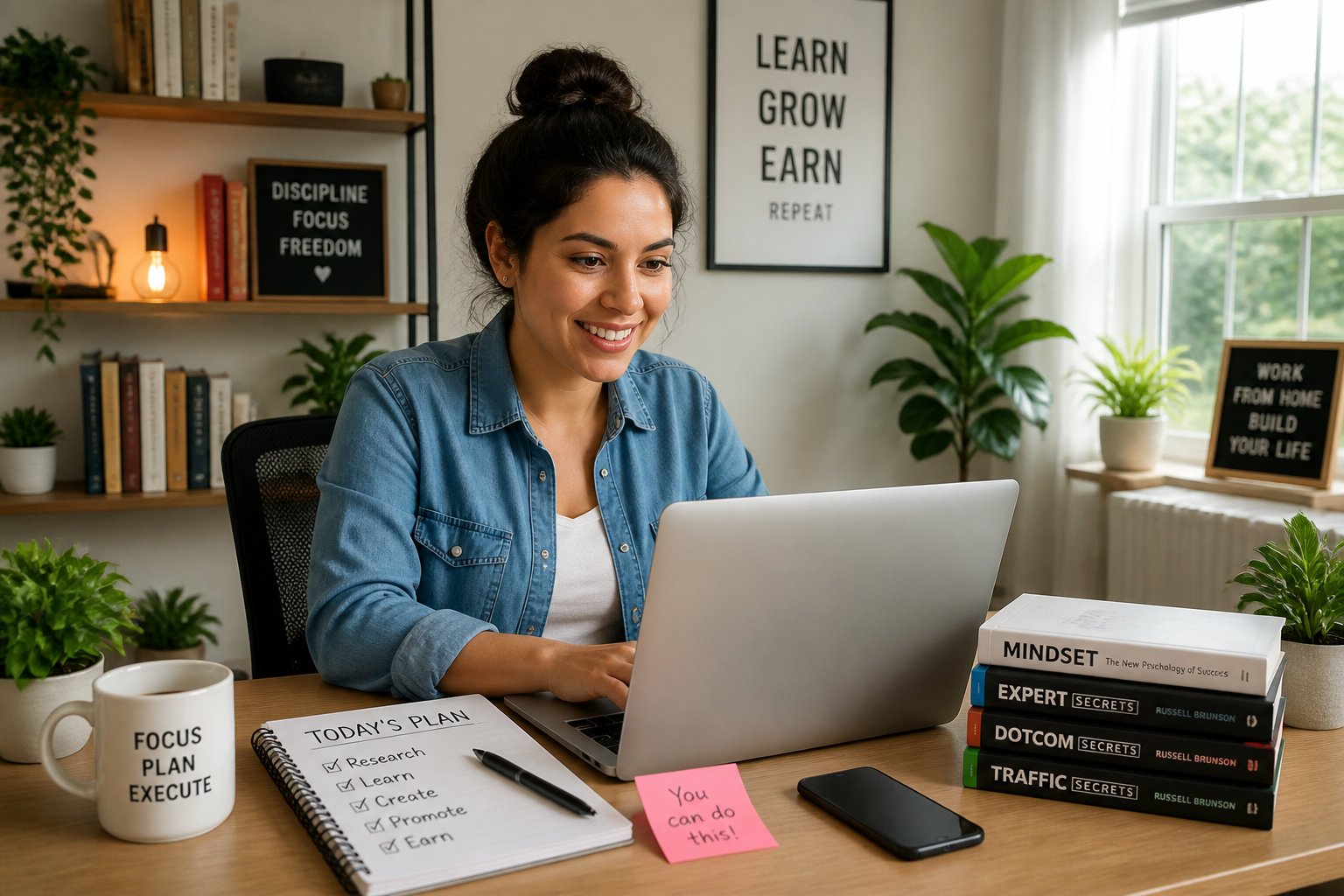
I will show you practical ways to earn quickly through surveys, small gigs, and flexible app-based work, along with straightforward remote jobs like data entry, virtual assistance, and customer support. You will also see how online marketplaces, tutoring platforms, and content creation tools open doors even if you start from zero.
As you move forward, I will break down realistic options, explain how to avoid common scams, and outline how to build steady income over time through digital products, affiliate marketing, and simple passive income strategies. You do not need advanced skills to begin, but you do need a clear plan and consistent action.
Quick-Start Methods for Earning Online

I start with platforms that pay for simple participation rather than specialized skill. Surveys, research panels, and reward apps offer small but predictable payouts, and I can sign up and begin within minutes.
Taking Online Surveys for Cash
I use online surveys when I want flexible, low-effort income. Companies pay for opinions on products, ads, and shopping habits, and I complete these tasks from my phone or laptop.
Platforms like Survey Junkie, Swagbucks, InboxDollars, and KashKick connect me with paid surveys. Most require me to create a profile and answer screening questions so they can match me with relevant studies. Payments usually come in points that I redeem for cash or gift cards once I reach a minimum balance.
Pay rates vary. Short surveys may pay under $1, while longer ones can pay several dollars. I qualify for more surveys when I keep my profile accurate and check for new opportunities daily.
I avoid any site that charges upfront fees or promises guaranteed income. Legitimate survey platforms pay modest amounts, not full-time wages.
Participating in Paid Focus Groups and Research Studies
I earn more per hour by joining online focus groups and research interviews. These sessions often involve live video calls, recorded feedback, or detailed questionnaires about products and services.
Platforms like User Interviews match me with companies seeking specific demographics. Once selected, I complete a 30- to 90-minute session and receive payment through PayPal or direct deposit. Compensation commonly ranges from $25 to over $100, depending on length and complexity.
I increase my chances by responding quickly to screeners and giving thoughtful, complete answers. Many studies fill within hours.
Some research companies also request recorded feedback on websites or apps. This overlaps with usability testing, and sites similar to those offering user testing opportunities pay after a set processing period. I treat this as occasional higher-paying work rather than daily income.
Using Cash-Back and Reward Apps
I treat cash-back and reward apps as a way to reduce expenses rather than generate large payouts. These platforms pay me for activities I already do, such as shopping online, scanning receipts, or trying new services.
Swagbucks, InboxDollars, and KashKick offer rewards for watching short videos, completing small tasks, and signing up for promotional offers. I earn points and redeem them for PayPal cash or gift cards once I hit the minimum threshold.
Payouts stay modest, often a few dollars at a time. However, stacking rewards with regular spending adds up over several months.
I read the terms carefully before completing offers, especially free trials that convert to paid subscriptions. I focus on simple tasks that fit into my routine and avoid anything that requires upfront spending I would not otherwise make.
Simple Remote Jobs Anyone Can Do

I focus on roles that require basic computer skills, clear communication, and reliability rather than formal training. These jobs let me start quickly, build experience, and earn from home using a laptop and internet connection.
Becoming a Virtual Assistant
I can become a virtual assistant without a degree or specialized background. Most virtual assistant jobs involve tasks such as managing email, scheduling appointments, entering data, booking travel, or posting content on social media.
Clients usually care more about organization and responsiveness than credentials. If I can use Google Docs, spreadsheets, and basic project tools, I can handle entry-level work.
To get started, I create a simple profile on platforms such as:
- Upwork
- Fiverr
- Freelancer
- Remote job boards
I list clear services instead of vague descriptions. For example: “Inbox cleanup and email replies” or “Calendar management for small business owners.”
Beginner virtual assistants often charge hourly. As I gain testimonials, I can raise my rate or specialize in areas like social media scheduling or customer support.
Consistency matters. I respond quickly, meet deadlines, and track tasks carefully to keep clients long term.
Starting as a Data Entry Clerk
Data entry is one of the most accessible remote roles. I input information into spreadsheets, databases, or online systems using details provided by a company.
The work is repetitive but straightforward. Accuracy and speed matter more than prior experience.
Common tasks include:
- Updating customer records
- Transferring handwritten notes into digital files
- Entering product details into online stores
Many companies post entry-level data entry jobs on major job boards. I also find short-term projects on Upwork and similar freelance platforms.
I avoid listings that require upfront fees. Legitimate employers pay for completed work; they do not charge for access.
This role helps me build basic remote experience. I learn time management, attention to detail, and how to follow written instructions precisely.
Working as a Transcriptionist
As a transcriptionist, I convert audio or video recordings into written text. I listen carefully and type what I hear, correcting grammar only when required by the client’s guidelines.
I can start with general transcription, which does not require certification. Platforms such as Rev connect beginners with short audio files from interviews, podcasts, or meetings.
Success depends on three skills:
- Fast and accurate typing
- Strong listening ability
- Basic grammar knowledge
Some companies pay per audio minute rather than per hour. If I type 60–80 words per minute, I can complete files more efficiently and increase my effective rate.
I practice with free audio clips before applying. Over time, I can move into higher-paying niches such as legal or medical transcription, but general transcription provides a practical entry point.
Flexible Gig Economy Options
I use gig economy platforms to start earning quickly without formal training or credentials. These options focus on simple, practical tasks that people already need done every day.
Signing Up as a Tasker with Taskrabbit
I can sign up for Taskrabbit in a few steps, create a profile, and choose the services I want to offer. As a Tasker, I might assemble furniture, mount TVs, move boxes, clean apartments, or run deliveries.
Taskrabbit runs background checks and charges a service fee, so I factor that into my pricing. I set my hourly rate, update my availability, and accept tasks through the app. Many beginners start with lower rates to get reviews, then raise prices after building a track record.
Common beginner-friendly categories include:
- Furniture assembly
- Moving help
- Yard work
- Home cleaning
- Delivery and errands
I don’t need certifications for most of these jobs. I only need basic tools, punctuality, and clear communication.
Like Instacart or other app-based platforms, Taskrabbit limits my income to the hours I work. Still, it gives me a fast way to launch a side hustle and build experience serving real clients.
Odd Jobs and Errands in Your Local Area
I can also earn money by taking on odd jobs outside of formal platforms. Many people need help with small, one-time tasks but don’t want to hire a full company.
I find work by posting in neighborhood Facebook groups, checking Craigslist gigs, or offering services on community boards. I keep my offer simple and specific, such as:
- Garage clean-outs
- Lawn mowing
- Trash hauling
- Grocery runs
- Basic home organization
Clear pricing helps me get hired faster. I might charge a flat fee for a small job or an hourly rate for open-ended work.
This approach keeps costs low because I avoid platform fees. It also requires more effort in finding clients and handling payments myself.
When I show up on time and complete jobs properly, referrals follow. That consistency turns scattered errands into steady income from my local area.
Earning Through Online Marketplaces
I can turn unused items, simple crafts, or discounted products into cash by listing them on established platforms. Online marketplace sites handle traffic and payments, so I focus on pricing, photos, and clear descriptions.
Reselling Items on eBay and Facebook Marketplace
I start by selling items I already own. Clothing, small electronics, tools, and home goods move quickly on eBay and Facebook Marketplace when I price them realistically.
I take clear photos in natural light and write short, direct descriptions. I include brand, condition, measurements, and flaws. Buyers ask fewer questions when I provide specifics.
eBay works well for shipping nationwide and auction-style listings. It charges fees, but it gives me access to a large audience. I check completed listings to see what similar items actually sold for before setting my price.
Facebook Marketplace works best for local sales. I avoid shipping when possible and arrange safe public meetups. Payments often happen the same day for local pickup, which makes this one of the fastest ways to generate cash.
If sales grow, I can open a simple online store using Shopify and cross-list items to reach more buyers.
Selling Handmade or Vintage Goods on Etsy
I use Etsy when I want to sell handmade, custom, or vintage items. Buyers visit Etsy specifically for unique goods, so I focus on products that fit that expectation.
Handmade does not need to be complex. I can sell:
- Printable planners
- Simple jewelry
- Custom mugs or shirts
- Vintage clothing over 20 years old
I write keyword-focused titles and tags so my listings appear in Etsy search results. Clear photos matter more than branding at the start. I show scale, texture, and packaging to build trust.
Etsy charges listing and transaction fees, so I factor those into my pricing. When demand increases, I can expand beyond Etsy by creating my own online store through Shopify to avoid relying on one platform.
Flipping Products for Profit
Flipping means I buy low and sell higher on the same or different marketplace platforms. I look for clearance racks, thrift stores, garage sales, and local listings with underpriced items.
Before buying, I check resale value on eBay by filtering for sold listings. This step prevents me from guessing.
Common beginner-friendly categories include:
- Small appliances
- Brand-name shoes
- Video games
- Power tools
I calculate profit by subtracting purchase cost, platform fees, shipping, and supplies. Even a $10 to $20 margin per item adds up when I repeat the process consistently.
As volume increases, I track inventory in a spreadsheet and consider launching a small Shopify store to build repeat customers instead of relying only on marketplace traffic.

Work-From-Home Side Hustles for Beginners
I focus on side hustles that require little to no formal experience and let me start with basic tools like a laptop and internet access. These options pay modestly at first, but they help me build real skills while earning from home.
Microtasking on Popular Platforms
I use microtasking when I want simple, structured work that does not require training. Platforms like Amazon Mechanical Turk and Clickworker list short tasks such as data entry, image labeling, surveys, and content moderation.
Most tasks pay between $0.01 and $1 per task, so I treat this as steady pocket income rather than a full salary. When I spend 30 to 60 minutes daily, the earnings add up gradually.
To get started, I:
- Create accounts on 1–2 platforms
- Complete my profile fully
- Choose tasks I can finish quickly and accurately
- Track which task types pay best for my time
I focus on speed and accuracy because higher ratings unlock better-paying tasks. Microtasking works best when I stay consistent and realistic about income expectations.
Becoming a Freelance Writer
I start freelance writing without credentials by focusing on clear, simple topics. Many clients on Upwork and Fiverr hire beginners for blog posts, product descriptions, and basic website copy.
Clients care more about clarity and meeting deadlines than formal degrees. I build a small portfolio by writing 2–3 sample blog posts and uploading them to a free blogging platform like WordPress.
Entry-level freelance writing rates often range from $0.03 to $0.10 per word. Short blog posts can earn $20 to $100 depending on length and complexity.
To increase my chances of landing work, I:
- Apply to small projects first
- Write direct proposals that address the client’s needs
- Deliver clean drafts with minimal errors
Freelance writing can grow into long-term remote work if I consistently improve my research and formatting skills.
Proofreading and Editing for Extra Income
I start proofreading with strong grammar and attention to detail. As a beginner proofreader, I correct spelling, punctuation, formatting, and basic clarity issues rather than rewriting entire documents.
Platforms like Upwork and Fiverr list proofreading gigs for blog posts, resumes, and academic papers. Many small bloggers and freelance writers also need affordable editing support.
Beginner rates often fall between $15 and $25 per hour, depending on document type. I improve my credibility by taking a short online grammar course and practicing with free editing exercises.
When I proofread, I focus on:
- Reading slowly and carefully
- Checking consistency in tone and formatting
- Using tools like Grammarly as support, not replacement
Proofreading works well as a flexible side hustle because I can accept projects based on my schedule and workload.
Opportunities in Online Tutoring and Teaching
I can turn basic academic knowledge or language fluency into paid work from home. Online tutoring and ESL platforms let me start with minimal experience, clear communication, and a reliable internet connection.
Becoming an Online Tutor
I do not need advanced credentials to become an online tutor, but I must understand at least one subject well enough to explain it clearly. Common entry points include elementary math, reading support, homework help, and basic science.
Most platforms list pay between $15 and $30 per hour for general subjects. Specialized areas like calculus, test prep, or programming often pay $40+ per hour. Platforms such as Wyzant, Tutor.com, and other marketplaces connect me with students, though they may charge a commission or set hourly rates.
To get started, I focus on:
- A clear profile that lists specific subjects and grade levels
- A quiet space with a webcam and stable internet
- Consistent availability during peak hours (3–8 p.m. local time)
If I lack formal experience, I begin with lower rates to gain reviews. After 5–10 positive ratings, I increase my pricing gradually.
Teaching English as a Second Language
I can teach English online even without a teaching degree, especially on platforms that focus on conversational practice. As an online English teacher, I typically work with children, teens, or adults learning English for school, work, or travel.
Pay ranges from $10 to $25 per hour for many ESL platforms. Companies like Preply and similar sites allow flexible scheduling, while structured programs such as VIPKid (when hiring) often require a bachelor’s degree and prior experience.
To teach English online, I need:
- Clear spoken English and neutral pronunciation
- Basic lesson planning skills
- Patience and strong communication
Peak demand often comes from international students, which may require early morning or late evening hours. I increase my income by offering structured packages, such as weekly speaking practice or exam-focused sessions.
Making Money with Digital Content Creation
I can make money from home by turning simple ideas into videos, audio, or written content. Platforms like YouTube, podcast apps, and blogging tools let me start with basic equipment and improve as I grow.
Starting a YouTube Channel
I can start a YouTube channel with a smartphone, free editing software, and a clear topic. I focus on practical subjects such as budgeting, beginner workouts, simple recipes, or software tutorials because these attract consistent searches.
To make money on YouTube, I work toward the YouTube Partner Program requirements:
- 1,000 subscribers
- 4,000 public watch hours in 12 months or 10 million Shorts views in 90 days
Once approved, I earn from ads. I can also add:
- Affiliate links in descriptions
- Sponsored videos
- Channel memberships
I keep videos over eight minutes when possible to allow multiple ad placements. I write direct titles that match search terms people already use, which increases visibility without paid ads.
Consistency matters more than expensive gear. I upload on a set schedule and improve thumbnails and titles based on click-through rates in YouTube Studio.
Launching a Podcast
Podcasting lets me make money online using my voice and basic recording tools. I start with a USB microphone, free editing software, and a clear format such as interviews, solo lessons, or short daily tips.
I publish episodes through platforms like Spotify for Podcasters or Apple Podcasts distribution tools. To grow downloads, I choose focused topics such as career advice, parenting on a budget, or learning tech skills from scratch.
I monetize through:
- Sponsorships once downloads grow
- Affiliate promotions mentioned in episodes
- Listener support or paid subscriptions
Many sponsors look for engaged niche audiences rather than massive numbers. I keep episodes structured and practical so listeners return each week, which increases long-term revenue potential.
Sharing Knowledge Through Blogging
I can start a blog with low upfront cost using platforms like WordPress or other website builders. I choose topics people actively search for, such as saving money, remote work tools, or beginner guides.
When learning how to start a blog, I focus on three essentials:
- Clear niche
- Keyword-focused articles
- Consistent publishing schedule
I make money from home through:
- Display ads
- Affiliate marketing
- Digital products like simple guides or templates
Search traffic builds slowly, so I write detailed posts that answer specific questions. For example, instead of “how to budget,” I write “how to budget on $2,000 a month.” Specific articles rank more easily and attract readers ready to take action.
Social Media and Affiliate Marketing Basics
I can use free platforms and simple tools to start earning from home without advanced skills. Social media management pays for consistent execution, while affiliate marketing rewards clear promotion and trust.
Getting Started as a Social Media Manager
I start by offering social media management to small businesses that already have accounts but lack time. Local restaurants, gyms, real estate agents, and online shops often need help posting consistently and replying to messages.
My core tasks usually include:
- Creating and scheduling posts
- Writing captions and basic hashtags
- Replying to comments and direct messages
- Tracking simple metrics like reach and engagement
I use free tools such as Canva for graphics and Meta Business Suite or Buffer’s free plan for scheduling. These tools remove the need for design or technical skills.
To find clients, I reach out directly by email or direct message with a short audit of their page and one clear suggestion. I charge a monthly fee instead of hourly rates, which makes income predictable.
This is one of the most practical ways to make money from home because businesses value consistency more than creativity.
Promoting Products as an Affiliate
With affiliate marketing, I promote products using a unique tracking link and earn a commission when someone buys. I do not create products, manage inventory, or handle customer service.
I begin by choosing a focused niche such as budgeting tools, fitness gear, or beginner tech. Then I join programs through platforms like Amazon Associates, ClickBank, CJ, or directly through a company’s website.
I use free traffic sources:
- TikTok short videos
- YouTube tutorials
- Instagram Reels
- Blog posts optimized for search
I disclose paid relationships clearly and place notices like “Paid link” near affiliate links to stay compliant with advertising rules.
Affiliate marketing can earn passive income over time, but it depends on consistent content and trust. I focus on tutorials, product comparisons, and clear demonstrations instead of aggressive selling.
Building Passive Income Streams
I build passive income by creating assets once and selling them repeatedly. Digital files, print-on-demand products, and ecommerce systems let me earn from home without advanced skills, as long as I follow clear steps and focus on simple offers people already buy.
Selling Digital Products and Print-On-Demand
I start with digital products because they cost little to create and nothing to ship. Examples include planners, checklists, budget spreadsheets, simple templates, and short e-books.
I use tools like Canva or Google Docs to create the file, then sell it on platforms such as Etsy or Gumroad. Once I upload the product, customers download it automatically. That structure makes it a practical form of passive income, though I still update listings and answer messages.
With print on demand, I design basic graphics for T-shirts, mugs, or tote bags. A print-on-demand supplier prints and ships each item after a customer orders it.
This model removes inventory risk. I connect the supplier to an online store so orders process automatically, and I focus on clear designs that target a specific niche instead of trying to appeal to everyone.
Launching Ecommerce Ventures
I launch an ecommerce store when I want more control over branding and pricing. Platforms like Shopify let me build a store with templates, so I do not need coding skills.
I choose a narrow product category, such as home office accessories or pet supplies. Then I write simple product descriptions that explain size, use, and delivery times in direct language.
Startup costs usually include:
- Monthly platform fees
- A domain name
- Basic marketing, such as social media ads
Ecommerce becomes more passive once I set up payment processing, shipping rules, and automated emails. However, I still monitor orders and customer service to keep the business running smoothly.
Dropshipping Through Shopify and Oberlo
I use dropshipping to sell physical products without holding inventory. Instead of buying stock upfront, I list items in my store and purchase them from a supplier only after a customer pays me.
On Shopify, I can connect tools like Oberlo to import products directly into my store. The system forwards order details to the supplier, who ships the product to the customer.
This setup lowers financial risk because I avoid bulk purchases. My main responsibilities include:
- Researching reliable suppliers
- Setting accurate shipping expectations
- Managing refunds and complaints
Dropshipping can generate passive income over time, but I treat it like a structured online business that requires testing products, tracking margins, and improving listings based on real sales data.
Tips for Success and Avoiding Common Pitfalls
I focus on three priorities when I try to make money with no skills: protect my time and identity, build simple skills that raise my rates, and use search engine optimization to attract steady work. These steps reduce risk and increase income without requiring formal credentials.
Staying Safe from Online Scams
When I try to make money fast from home, I assume scams exist and verify every opportunity. If a company asks for upfront fees, interview payments, or “processing” charges, I walk away.
I also avoid the fake check and wire transfer trap. If someone sends me money and asks me to forward part of it, I treat it as fraud.
Before sharing personal details, I check for:
- A verifiable business website
- Real reviews on third-party platforms
- A clear payment structure
- No request for sensitive data like my Social Security number upfront
I never send money to someone who claims they will pay me later. Legitimate platforms for beginner-friendly work—such as freelance marketplaces or local service apps—take fees from earnings, not from my bank account.
If I want the best side hustles, I choose ones with transparent terms and clear dispute processes.
Building Skills for Better Opportunities
Even if I start with no experience, I do not stay there. I treat each small task as training.
For example, if I begin with data entry or virtual assistant work, I learn:
- Basic spreadsheets (Google Sheets or Excel)
- Clear email communication
- Time tracking and invoicing
These skills help me raise my hourly rate within months. I move from low-paying gigs to higher-value services like simple bookkeeping, social media scheduling, or customer support.
If I want to learn how to start a business later, I begin by improving one skill at a time. Free tutorials, structured online courses, and consistent practice give me proof of competence.
I track my time and calculate hourly earnings. If one gig pays $15 per hour and another pays $30, I shift my focus. Skill growth directly affects income.
Leveraging SEO for Growth
I use SEO (search engine optimization) to move beyond one-off gigs. Even beginners can learn SEO basics and apply simple SEO techniques.
When I create a profile, portfolio, or basic website, I:
- Use clear service keywords (e.g., “beginner virtual assistant for small businesses”)
- Write specific descriptions of tasks I handle
- Publish short articles answering common client questions
Search engine optimization helps clients find me instead of me chasing them. I master SEO step by step by learning how keywords, titles, and search intent work.
If I want to make money with no skills at first, I can start on platforms. But if I learn SEO, I build long-term visibility. That shift turns small online tasks into a scalable income stream
About Oliver Zander

Hello and welcome! I'm thrilled to connect with fellow marketers and innovators here on LeasedAdSpace. My journey in online marketing began back in the year 2000, and it's been an incredible ride ever since. With over two decades of experience, I have honed my expertise across various facets of digital marketing. My specialties include: SEO (Search Engine Optimization): Crafting strategies that elevate websites to the top of search engine results, driving organic traffic and boosting online visibility. AI Automation: Leveraging the power of artificial intelligence to streamline marketing processes, enhance customer engagement, and optimize campaign performance. Safelists & Traffic Exchanges: Mastering the art of safelists and traffic exchanges to generate high-quality leads and maximize online exposure. Solo Ads: Creating compelling solo ad campaigns that capture attention and convert prospects into loyal customers. Throughout my career, I've had the privilege of working with a diverse range of clients, from startups to established enterprises, helping them achieve their marketing goals and grow their online presence. I'm passionate about staying ahead of the curve in this ever-evolving digital landscape, continuously learning and implementing the latest trends and technologies. My mission is to empower businesses to harness the full potential of online marketing, driving growth and success in the digital age. Let's connect and explore how we can collaborate to take your marketing efforts to the next level. Feel free to reach out—I’m always excited to share insights, discuss strategies, and embark on new ventures together! More about me: https://www.oliverzander.com