Leased Ad Space
Multi-Cloud Strategies Explained: Benefits, Challenges, and Best Practices
Published by Raja Ganapathi — 01-06-2026 05:01:05 AM
Cloud computing has evolved from a supporting technology into a critical business enabler. As digital transformation accelerates, organizations are realizing that depending on a single Cloud Computing Course in Hyderabad provider may limit growth and adaptability. To overcome this, many tech-driven businesses are turning to multi-cloud strategies, which have now become a standard operating model across the industry.

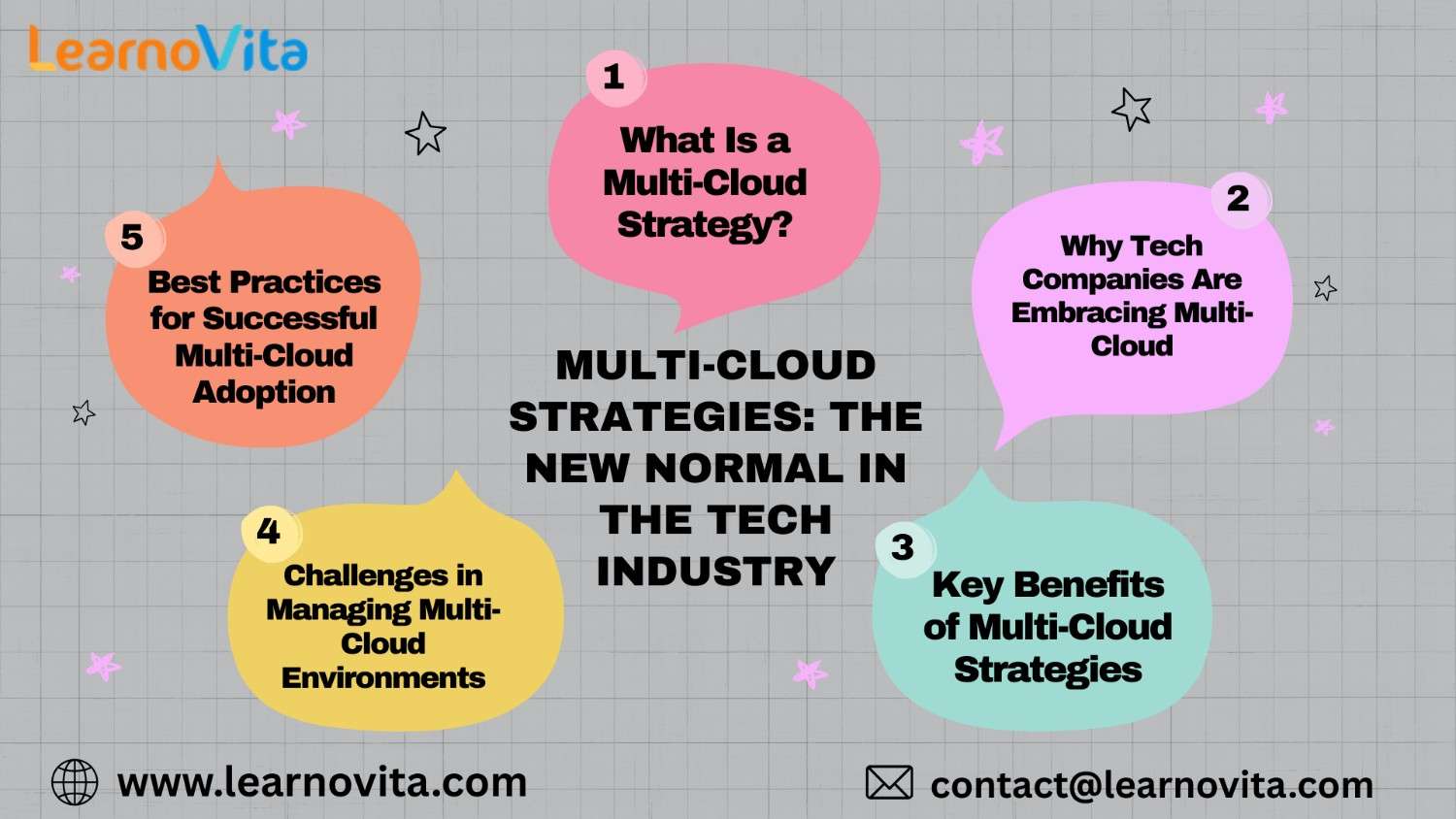
What Is a Multi-Cloud Strategy?
A multi-cloud strategy refers to the use of multiple cloud service providers to run applications, manage data, and deliver services. Companies may choose different platforms based on specific needs such as computing power, analytics capabilities, or geographic availability. Unlike hybrid cloud approaches that combine on-premises infrastructure with cloud resources, multi-cloud strategies focus entirely on optimizing cloud-to-cloud usage.
Why Multi-Cloud Is Becoming Essential
One of the strongest reasons behind the rise of multi-cloud adoption is the need to avoid vendor lock-in. Relying on a single provider can restrict technology choices and increase long-term costs. Multi-cloud environments give organizations the flexibility to choose the best tools and services from each provider. Another important driver is resilience and uptime. Distributing workloads across multiple cloud platforms reduces the risk of system failures and service interruptions. This ensures business continuity, especially for applications that require high availability.
Key Benefits of Multi-Cloud Strategies
Multi-cloud strategies enable better workload optimization by allowing organizations to deploy applications where they perform best. This improves application speed, scalability, and overall user experience. Security and compliance also benefit from a multi-cloud approach. Organizations can store data in specific regions to meet regulatory requirements while using advanced security features from different cloud providers. In addition, Software Training Institute cost efficiency improves as businesses can balance workloads based on pricing models and resource availability.
Challenges of Operating in a Multi-Cloud Environment
Despite its advantages, multi-cloud adoption introduces operational complexity. Each cloud provider has unique management tools, security configurations, and billing structures, which can make oversight more difficult. Integration between cloud platforms is another challenge. Ensuring consistent performance, security, and data flow across environments requires careful planning, standardized architectures, and automation tools.
Best Practices for Multi-Cloud Success
Successful multi-cloud implementation begins with strong governance and visibility. Centralized monitoring, security controls, and cost management tools help maintain consistency across platforms. Designing applications with cloud-agnostic technologies such as containers, APIs, and microservices improves portability and flexibility. Continuous training ensures teams can effectively manage and adapt to evolving cloud environments.
Conclusion
Multi-cloud strategies are no longer a future consideration—they are a present-day necessity. By offering flexibility, reliability, and cost control, multi-cloud adoption enables organizations to respond quickly to changing business demands. With the right strategy, tools, and skills, multi-cloud environments can serve as a powerful foundation for long-term innovation and growth in the tech industry.
About Raja Ganapathi

This member hasn't told us anything about themselves yet! Encourage them to do so!